Residential Real Estate Agents: Complete 2025 Guide to Choosing the Right Professional
Residential real estate agents play a critical role in helping people buy, sell, or rent homes. In today’s complex property market, where technology, sustainability, and lifestyle preferences intersect, the role of these professionals has become more valuable than ever. This guide explores in detail what residential real estate agents do, why they matter, and how to leverage their expertise in real-world situations.
Understanding Residential Real Estate Agents
Residential real estate agents are licensed professionals who specialize in buying and selling properties designed for people to live in single-family homes, apartments, condos, or townhouses. Unlike commercial real estate agents, their focus is entirely on residential markets, catering to families, individuals, and investors looking for living spaces.
Their work includes market research, pricing strategies, negotiations, and client representation during legal and financial processes. More importantly, they act as trusted advisors who understand both the emotional and financial significance of home transactions.
Why Residential Real Estate Agents Are Important
Real estate is not only about properties; it’s about people’s lives. Residential real estate agents bridge the gap between buyers and sellers, ensuring both parties’ needs are met. They simplify complex processes and protect clients from risks such as incorrect pricing, legal issues, or unfavorable contracts.
Their importance is heightened in 2025, as housing demands are shaped by remote work, lifestyle-driven choices, and eco-friendly design trends. Agents who understand these dynamics provide unmatched value to clients.
Suburban Home Specialists
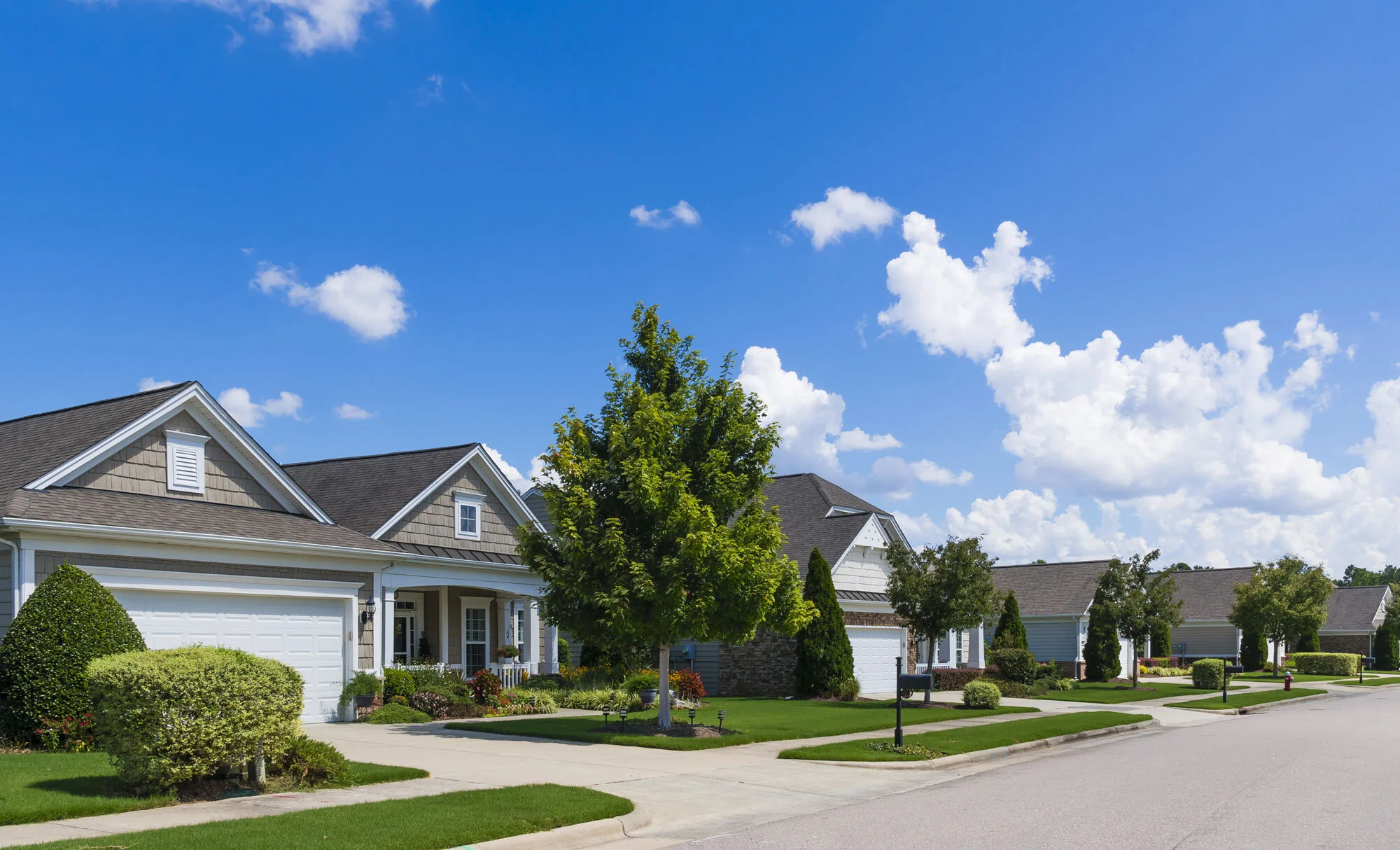
In suburban areas, residential real estate agents often focus on families seeking larger homes with access to schools and parks. For instance, one agent created a niche by specializing in eco-friendly suburban homes featuring solar panels, rainwater collection systems, and sustainable interiors.
This specialization not only met the growing demand for green living but also positioned the agent as a go-to professional in a highly competitive market. Families seeking long-term stability trusted the agent’s expertise, resulting in higher client satisfaction.
Luxury Condo Agents in Cities

In metropolitan centers, residential real estate agents who focus on luxury condos cater to professionals, investors, and international buyers. One agent used high-quality virtual tours to attract overseas clients who could not attend open houses in person.
By adopting advanced technology and understanding high-net-worth client needs, this agent created seamless buying experiences. The strategy increased international sales while positioning the agent as an expert in urban luxury living.
Affordable Housing Agents

Not all residential real estate agents work in high-end markets. Some dedicate themselves to affordable housing projects, assisting first-time buyers. One example is an agent who partnered with nonprofit organizations to connect families with government-supported housing loans.
This agent’s commitment went beyond transactions, offering educational workshops on financing and credit improvement. The work demonstrated that residential agents could have a profound social impact while still achieving business success.
Remote Work-Friendly Properties

The rise of remote work has reshaped real estate demand. Some residential real estate agents now specialize in properties with home office spaces, strong internet connectivity, and proximity to coworking hubs.
One agent transformed listings by emphasizing these features through lifestyle-focused marketing campaigns. This approach helped attract freelancers, digital nomads, and corporate professionals adapting to hybrid work arrangements.
Services Provided by Residential Real Estate Agents
Residential real estate agents provide multiple services, including:
-
Property Valuation: Using market data and trends to set accurate prices.
-
Marketing Campaigns: Leveraging digital platforms, staging, and photography.
-
Negotiation: Securing the best terms for buyers or sellers.
-
Transaction Management: Handling paperwork, contracts, and deadlines.
-
Client Representation: Protecting interests throughout the process.
Each of these services reduces stress for clients while improving transaction outcomes.
The Role of Technology in Residential Real Estate
Technology has revolutionized how agents operate. From virtual tours and drone photography to AI-powered pricing tools, agents can now offer advanced insights and convenience.
Digital platforms also make it easier to match buyers with properties, while mobile apps simplify communication. For clients, this means greater transparency, efficiency, and confidence in decision-making.
Benefits of Working with Residential Real Estate Agents
Partnering with residential agents brings several advantages:
-
Expert Market Knowledge: Agents know neighborhood trends, pricing, and buyer behavior.
-
Time Savings: They handle research, marketing, and paperwork.
-
Stronger Negotiation Power: Experienced agents secure favorable terms.
-
Stress Reduction: Clients avoid the overwhelming process of managing sales or purchases alone.
-
Lifestyle Matching: Agents ensure homes align with clients’ lifestyle preferences.
These benefits make agents indispensable in modern property transactions.
Use Cases of Residential Real Estate Agents
Residential real estate agents solve real-world problems, such as:
-
First-Time Buyers: Guiding them through mortgages, inspections, and legal processes.
-
Investors: Helping identify properties with strong rental or resale potential.
-
Downsizing Families: Finding smaller homes without sacrificing comfort or location.
-
Relocations: Supporting families moving for work or lifestyle changes.
Each case highlights how agents make transitions smoother and safer.
Challenges in Choosing Residential Real Estate Agents
Despite their benefits, choosing the right agent can be challenging. Some may lack local expertise, while others may not prioritize client needs.
To overcome this, clients should conduct interviews, check past performance, and evaluate communication skills. A good fit ensures a smoother collaboration and better results.
Real-World Example 5: Tech-Savvy Residential Agents
Some agents have built reputations by embracing technology fully. For example, one agent integrated AI-based property search tools into their services, providing clients with personalized listings based on lifestyle preferences.
This innovation made the buying process faster and more engaging, demonstrating how agents can combine expertise with modern tools to stay ahead in the industry.
Practical Tips for Working with Residential Real Estate Agents
-
Communicate openly about your goals and expectations.
-
Be clear about budget limitations.
-
Ask about past successes in similar transactions.
-
Evaluate how well they use technology to enhance services.
-
Ensure their availability aligns with your timeline.
These practices create stronger partnerships and better transaction outcomes.
Frequently Asked Questions
1. What is the difference between a residential real estate agent and a broker?
A residential real estate agent is licensed to buy and sell homes, but typically works under a broker. A broker has additional training and can manage agents, offering broader services.
2. Do I need a residential real estate agent to sell my home?
While it’s possible to sell independently, agents bring expertise, negotiation skills, and marketing resources. Their involvement often results in faster sales and better prices.
3. How do residential real estate agents get paid?
Agents usually earn a commission, a percentage of the property’s selling price, paid by the seller. This motivates them to close deals efficiently while aligning their success with client satisfaction.