Real Estate Residential Properties: Comprehensive Guide to Modern Living and Investment
Real estate residential properties remain the foundation of modern housing markets, encompassing a wide spectrum of options from single-family homes to multi-unit apartment complexes. These properties serve not only as essential living spaces but also as significant financial assets that can provide long-term wealth and security.
In today’s rapidly evolving housing market, residential properties play a crucial role in meeting diverse lifestyle needs, offering both stability for families and profitable opportunities for investors. With urban development, sustainable design, and technological innovations reshaping how homes are built and managed, the residential property sector continues to transform at an impressive pace.
Understanding the Core of Residential Real Estate
Residential real estate refers to properties intended for personal use rather than commercial or industrial purposes. These can range from detached houses and townhomes to condominiums and apartment complexes. The defining feature is their role as living spaces, offering shelter, comfort, and community integration.
Beyond their practical function, residential properties carry emotional and financial significance. For many individuals, purchasing a home is one of the largest investments of their lifetime. At the same time, investors see residential real estate as a stable and resilient asset class, often less volatile than other investments.
Real-World Examples of Residential Properties
Urban Apartment Complexes
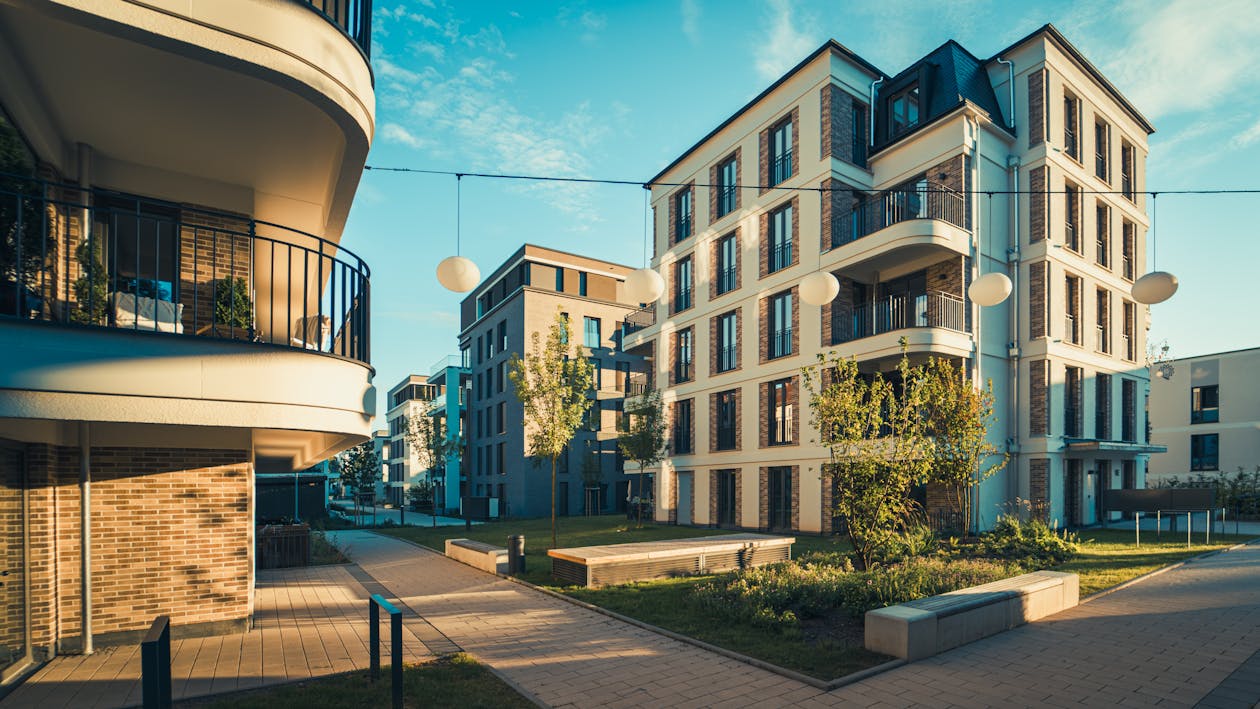
Urban apartment complexes illustrate the growing demand for city-based residential living. These properties are often designed with modern amenities such as fitness centers, rooftop gardens, and coworking spaces to meet the lifestyle expectations of younger professionals and students.
Their relevance lies in the way they maximize space in dense city environments while offering community-driven features. Apartment complexes also provide investors with consistent rental income streams, making them a central component of residential real estate portfolios.
Suburban Single-Family Homes

Single-family homes in suburban neighborhoods remain the most traditional form of residential property. They are popular with families seeking more space, privacy, and access to schools and community facilities. These properties often feature larger yards, garages, and layouts suited for long-term family living.
The significance of suburban single-family homes lies in their enduring appeal. Despite the rise of urban living, many families still prioritize ownership of detached homes as a symbol of stability, security, and long-term investment.
Luxury Condominiums

Luxury condominiums represent a high-end segment of the residential property market. Located in prime urban areas, these condos are designed with premium finishes, concierge services, and exclusive amenities like private gyms and pools.
Their relevance extends beyond lifestyle appeal; they also serve as status symbols and investment assets. For buyers, luxury condos offer both a prestigious address and potential appreciation in value, particularly in sought-after metropolitan regions.
Affordable Housing Developments
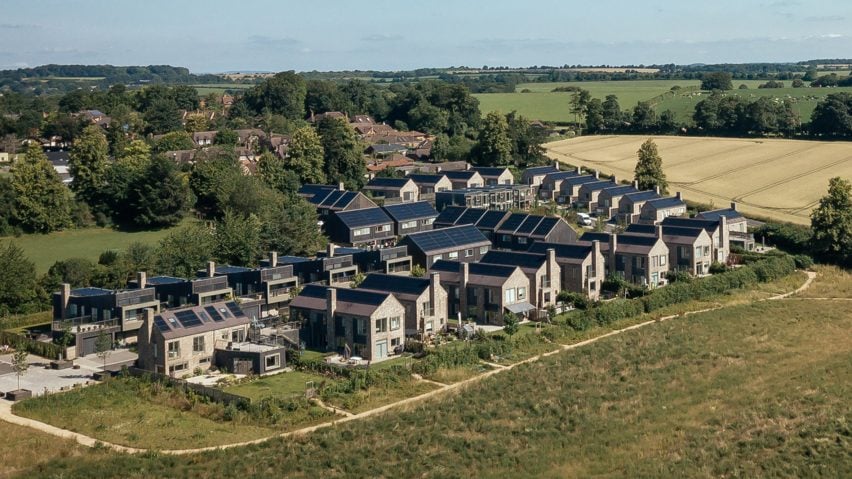
Affordable housing initiatives are a vital part of residential real estate, designed to meet the needs of lower- and middle-income families. These developments often receive government support to ensure that housing remains accessible despite rising market prices.
The importance of affordable housing lies in its social and economic impact. By creating opportunities for stable living conditions, these properties contribute to stronger communities while also addressing housing shortages in growing cities.
The Role of Technology in Residential Real Estate
Technology has fundamentally changed the way residential properties are designed, marketed, and managed. Smart home systems, for example, allow homeowners to control lighting, security, and energy use remotely. These innovations increase convenience, reduce utility costs, and enhance property value.
On the investment and management side, digital platforms streamline property listings, virtual tours, and tenant management. Investors can now track rental income, schedule maintenance, and analyze performance data through integrated property management software. This integration of technology not only improves efficiency but also ensures that residential properties remain competitive in modern housing markets.
Benefits of Residential Properties
Stability and Security
Owning a residential property provides long-term stability for families. It creates a sense of belonging within a community and serves as a hedge against rising rental costs. For investors, residential properties are less volatile than stocks or cryptocurrencies, offering consistent returns over time.
Wealth Building and Appreciation
Residential properties are a proven pathway to wealth creation. As property values appreciate, homeowners build equity that can be leveraged for future investments or financial needs. Investors also benefit from long-term appreciation, especially in growing urban and suburban markets.
Flexibility in Investment Options
The residential real estate market offers diverse investment opportunities from small-scale rental homes to large apartment complexes. This flexibility allows investors to diversify their portfolios and adapt to market trends without relying on a single property type.
Use Cases of Residential Real Estate
Housing Growing Populations
As urban populations expand, residential properties play a central role in accommodating demand. Apartment complexes and condominiums provide efficient housing solutions for dense metropolitan areas, ensuring accessibility and affordability.
Creating Family-Friendly Communities
Suburban single-family homes are ideal for families looking to establish roots in safe, community-oriented neighborhoods. These properties often align with lifestyle needs such as proximity to schools, parks, and healthcare facilities.
Supporting Affordable Living
Affordable housing developments are crucial for ensuring that all income levels have access to quality living spaces. These properties reduce social inequality and help stabilize local economies by providing workers with stable housing.
Providing Investment Returns
For investors, residential properties serve as reliable income-generating assets. Whether through long-term rentals, short-term vacation homes, or luxury developments, residential properties create opportunities for consistent financial growth.
Frequently Asked Questions
1. What are residential real estate properties?
Residential real estate properties are homes or housing units designed for individuals and families to live in. They include single-family homes, apartments, condos, and affordable housing developments, primarily intended for personal rather than commercial use.
2. Why are residential properties a good investment?
Residential properties offer long-term stability, consistent rental income, and potential appreciation. They are also less volatile than other asset classes, making them attractive to both beginner and seasoned investors.
3. How is technology impacting residential properties?
Technology enhances residential properties through smart home integration, digital property management platforms, and virtual tours. These innovations improve efficiency, reduce costs, and make both living and investing in residential properties more convenient and attractive.