Equity Residential REIT: Complete Guide, Insights, and Real-World Examples
Equity Residential REIT stands as one of the most recognized real estate investment trusts specializing in high-quality residential rental properties. For decades, it has been a significant player in the real estate industry, offering investors access to diversified residential markets while providing stable income streams. Understanding Equity Residential REIT is crucial for investors, homeowners, and anyone interested in residential real estate trends.
This article explores the in-depth details of Equity Residential REIT, real-world examples of its properties and impact, the benefits of technology in the REIT industry, and practical use cases demonstrating why it remains an influential player in real estate.
What is Equity Residential REIT?
Equity Residential is a publicly traded real estate investment trust (REIT) that primarily invests in and manages residential rental properties across major metropolitan areas in the United States. Founded in 1969, it has grown into one of the largest residential REITs, with a focus on urban and high-demand locations.
As a REIT, it allows investors to pool their money and gain exposure to real estate without directly buying or managing properties. By law, REITs must distribute at least 90% of taxable income back to shareholders, making them attractive for dividend-seeking investors. Equity Residential’s portfolio includes thousands of units spread across prime cities such as New York, San Francisco, Boston, Washington D.C., and Seattle.
The company’s strategy emphasizes long-term value creation by acquiring, developing, and maintaining high-quality rental communities that meet the demands of urban professionals and families.
Key Features of Equity Residential REIT
Equity Residential REIT stands out due to its unique investment focus and management strategy. Some of its core features include:
-
Urban-Centric Portfolio: Concentrating investments in high-demand urban and coastal markets.
-
Diversification: Exposure to thousands of apartment units across different cities minimizes risk.
-
Income Stability: Strong tenant demand in premium areas ensures consistent rental income.
-
Sustainability: Commitment to green building practices and energy-efficient developments.
These features make Equity Residential an attractive option for investors seeking exposure to stable and growing residential markets.
Real-World Examples of Equity Residential REIT
Park Lane Seaport, Boston

Park Lane Seaport is one of Equity Residential’s flagship properties located in Boston, Massachusetts. Positioned in the bustling Seaport District, this residential development caters to professionals who desire proximity to both work and leisure opportunities.
The property includes modern amenities such as rooftop lounges, fitness centers, and waterfront access. It reflects Equity Residential’s strategy of focusing on premium urban markets where demand for upscale rentals remains strong. This case highlights how Equity Residential targets communities that align with changing lifestyle preferences, especially among younger professionals.
The South End Apartments, New York City
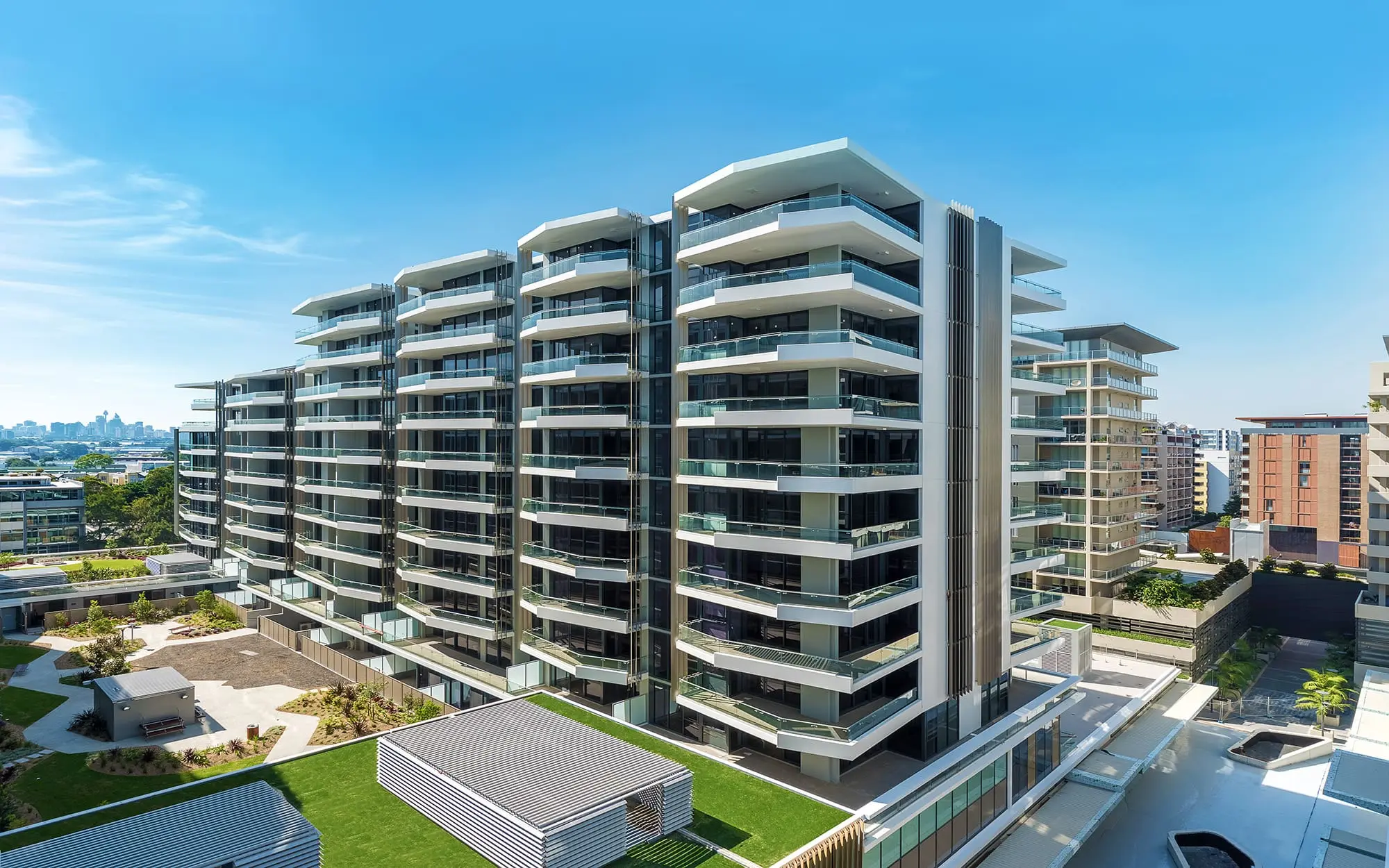
In New York City, Equity Residential owns several apartment communities, including The South End Apartments. Located near cultural landmarks and business centers, this property showcases the REIT’s ability to thrive in highly competitive markets.
The South End Apartments focus on accessibility, sustainability, and offering tenants premium amenities. These qualities contribute to consistent occupancy rates, making it a strong contributor to the overall performance of Equity Residential.
Market Street Village, San Francisco

Market Street Village represents Equity Residential’s approach to housing in high-tech hubs like San Francisco. With tech companies driving job growth, rental demand in the area remains consistently high.
This property integrates sustainable building practices and modern urban design. Its location near public transportation and tech offices ensures long-term tenant demand. This example illustrates how Equity Residential capitalizes on regional economic strengths to secure growth opportunities.
The Shelby, Seattle
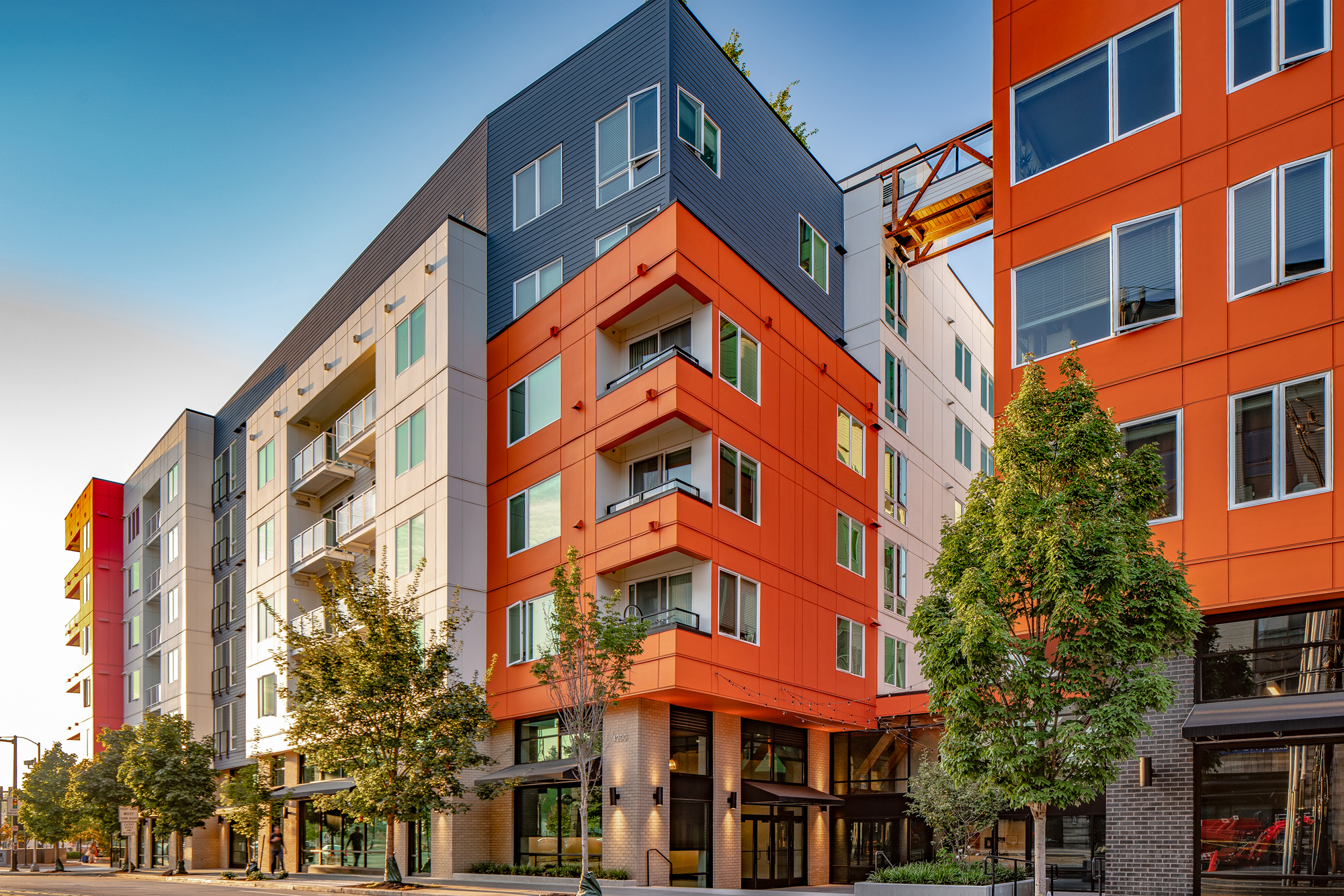
Seattle is another city where Equity Residential has invested significantly. The Shelby, located in downtown Seattle, offers tenants easy access to workplaces, dining, and cultural attractions.
The property includes environmentally friendly features such as energy-efficient systems and recycling programs. This demonstrates Equity Residential’s dedication to sustainable growth while providing appealing living spaces in a booming metropolitan market.
Benefits of Technology in Equity Residential REIT
Technology plays a vital role in transforming how REITs like Equity Residential operate and deliver value. Several benefits include:
-
Smart Building Management: Use of IoT devices allows for efficient energy management, predictive maintenance, and real-time monitoring of building performance.
-
Tenant Experience Platforms: Digital apps make it easier for tenants to pay rent, request maintenance, and access community updates, enhancing satisfaction and retention.
-
Data Analytics: Equity Residential uses data-driven insights to predict market trends, optimize pricing strategies, and identify profitable investment opportunities.
-
Virtual Leasing: With the rise of remote interactions, virtual tours, and online leasing platforms, the rental process is streamlined, making it easier for prospective tenants to explore properties without physical visits.
These technological integrations improve operational efficiency and help maintain Equity Residential’s competitive edge in the residential rental market.
Practical Use Cases of Equity Residential REIT
Use Case 1: Providing Access to High-Demand Housing Markets
For individual investors, buying property in cities like New York or San Francisco may be financially out of reach. Equity Residential REIT solves this problem by pooling investments to provide exposure to high-demand housing markets. This makes real estate investment more accessible to a broader range of investors.
Use Case 2: Stability in Dividend Income
Equity Residential REIT distributes dividends regularly, offering investors stable income. For retirees or income-focused portfolios, this provides a reliable source of cash flow without the need to directly manage rental properties.
Use Case 3: Sustainable Urban Development
With its focus on green buildings and sustainability, Equity Residential contributes to environmentally conscious urban growth. Investors benefit from alignment with ESG (Environmental, Social, Governance) principles while tenants enjoy healthier, eco-friendly living environments.
Use Case 4: Risk Mitigation Through Diversification
Instead of putting all capital into a single property, Equity Residential spreads investments across thousands of units in multiple cities. This diversification reduces exposure to localized market downturns, protecting investors against risk.
Why Equity Residential REIT is Useful in Real Life
Equity Residential REIT provides tangible solutions for both investors and tenants. For investors, it offers an accessible way to gain exposure to high-value real estate markets, consistent income, and long-term growth potential. For tenants, it ensures access to high-quality, professionally managed rental housing in desirable urban locations.
By bridging the gap between institutional real estate management and individual investor participation, Equity Residential REIT plays a significant role in shaping the residential rental landscape across the United States.
Frequently Asked Questions
1. What makes Equity Residential REIT different from other REITs?
Equity Residential REIT specializes in high-quality urban residential rental properties. Unlike diversified REITs, it focuses specifically on apartments in premium metropolitan areas, which tend to have strong and stable demand.
2. Is Equity Residential REIT a good option for long-term investors?
Yes, due to its consistent dividend payouts, focus on urban markets, and sustainable growth strategy, it is often considered a strong option for long-term investors seeking both income and capital appreciation.
3. How does Equity Residential use technology to enhance its operations?
Equity Residential integrates smart building technologies, tenant digital platforms, and advanced data analytics to improve efficiency, enhance tenant satisfaction, and optimize investment strategies.