Lifestyle Real Estate: Complete 2025 Guide to Modern Living and Investment
Lifestyle real estate goes beyond simply buying or selling property. It’s about creating or investing in homes and communities that align with the way people want to live. Unlike traditional real estate, which focuses primarily on location and price, lifestyle real estate emphasizes wellness, technology, sustainability, and comfort.
The rise of lifestyle real estate reflects a growing shift in buyer behavior. Homeowners today want residences that not only provide shelter but also enhance their quality of life. Whether it’s through eco-friendly housing, integrated smart technology, or access to community amenities, lifestyle real estate is redefining how we view property ownership in 2025.
Global Trends in Lifestyle Real Estate for 2025
Lifestyle real estate is gaining momentum worldwide as housing preferences evolve. Several global trends are shaping the sector this year:
-
Eco-conscious living: Buyers are prioritizing homes with energy-efficient designs, green certifications, and sustainable construction practices.
-
Smart home integration: Technology such as IoT devices, app-based controls, and AI-powered security systems is becoming standard.
-
Wellness-focused design: Properties now emphasize natural light, open spaces, and community wellness amenities like gyms, co-working spaces, and meditation gardens.
-
Community-driven developments: Instead of isolated housing, lifestyle real estate emphasizes neighborhoods that foster social interaction and a sense of belonging.
These trends indicate that lifestyle real estate is not just a passing movement but a long-term shift in the property market.
Core Services and Features of Lifestyle Real Estate
Lifestyle real estate comes with features and services that distinguish it from conventional housing:
Property Consultation and Customization
Developers and agents within lifestyle real estate often provide customized housing options. Buyers can select layouts, eco-friendly upgrades, or smart home systems tailored to their lifestyle.
Integrated Community Amenities
Instead of standalone homes, lifestyle real estate is usually part of planned developments. Facilities like fitness centers, coworking spaces, playgrounds, and parks are integrated to encourage social connection and active living.
Long-Term Investment Potential
Lifestyle properties hold strong investment value because of the increasing demand for modern, sustainable, and community-oriented housing. These properties are less likely to lose relevance over time.
Real-World Examples of Lifestyle Real Estate
1. Eco-Friendly Housing Communities
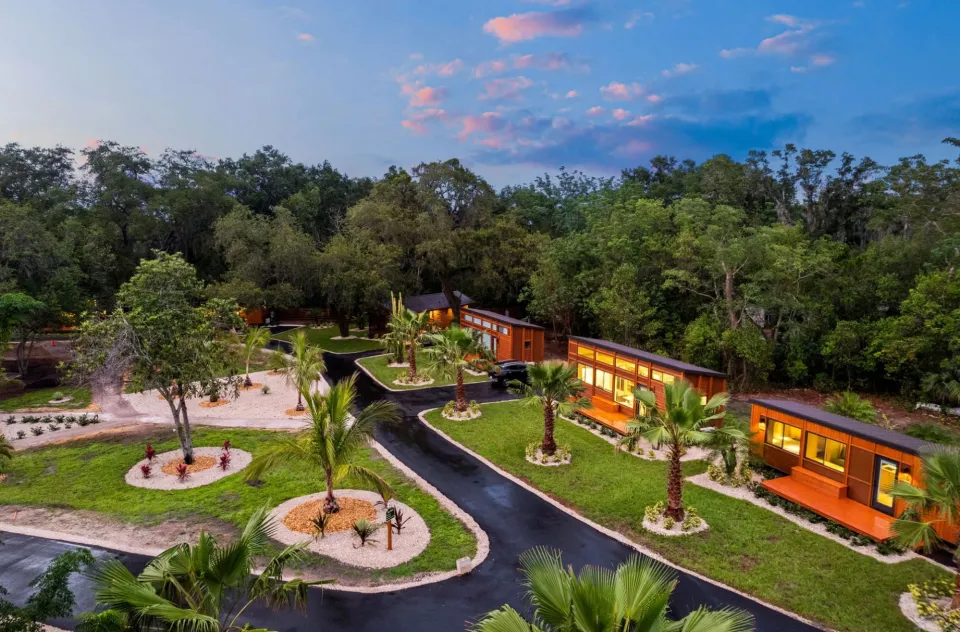
One major example of lifestyle real estate is eco-friendly housing communities. These are developments where every home is designed with green technologies such as solar panels, rainwater harvesting, and sustainable materials.
Such communities appeal to buyers who value both environmental responsibility and lower utility costs. The combination of eco-conscious living with lifestyle amenities makes these projects highly desirable in 2025.
2. Urban Smart Apartments
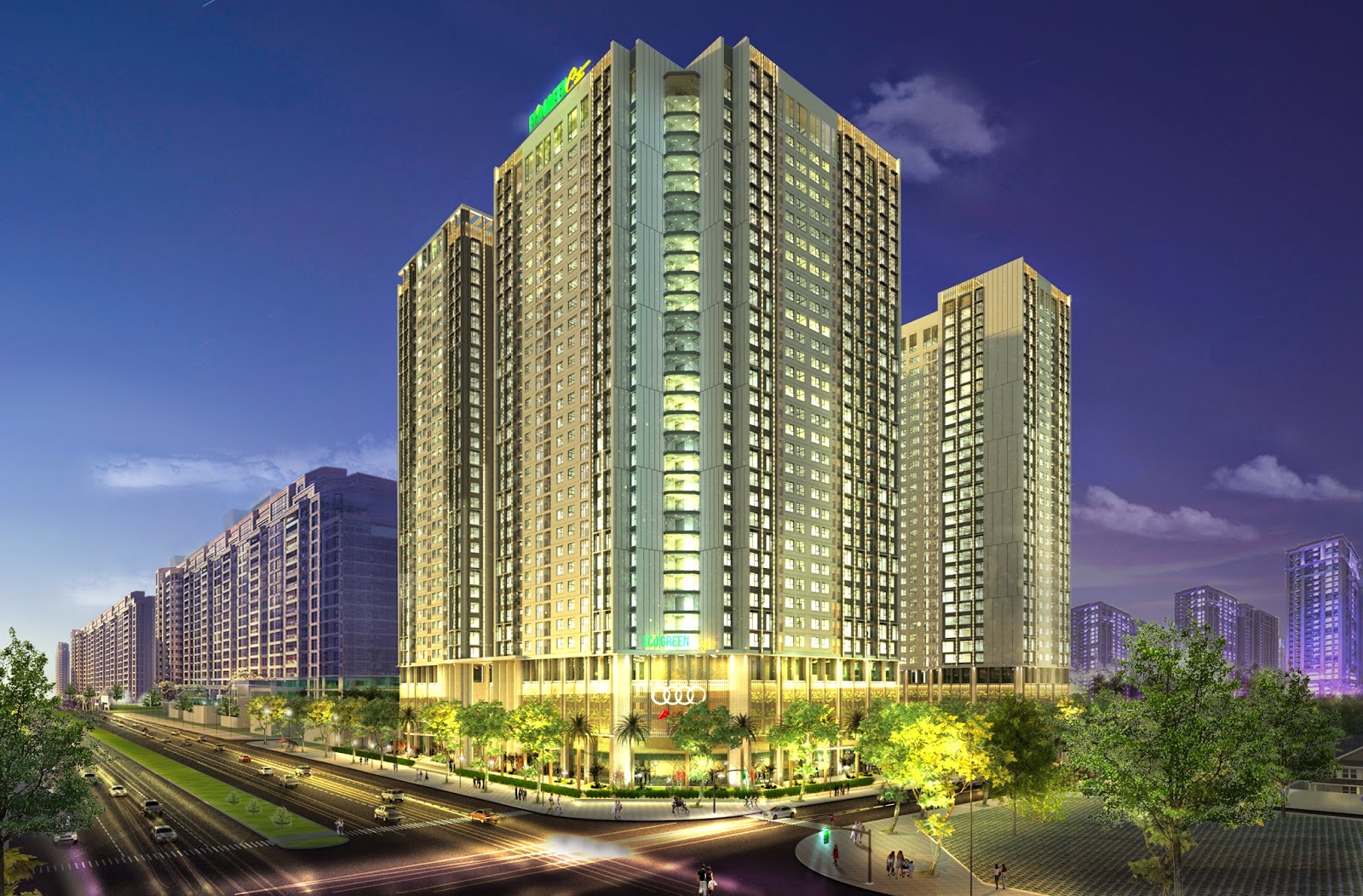
In large cities, lifestyle real estate projects often include smart apartments equipped with IoT systems. Residents can control everything from lighting and temperature to security via smartphone apps.
This kind of development resonates with young professionals and tech-savvy buyers who prioritize convenience and efficiency in their daily lives.
3. Wellness-Oriented Housing Projects
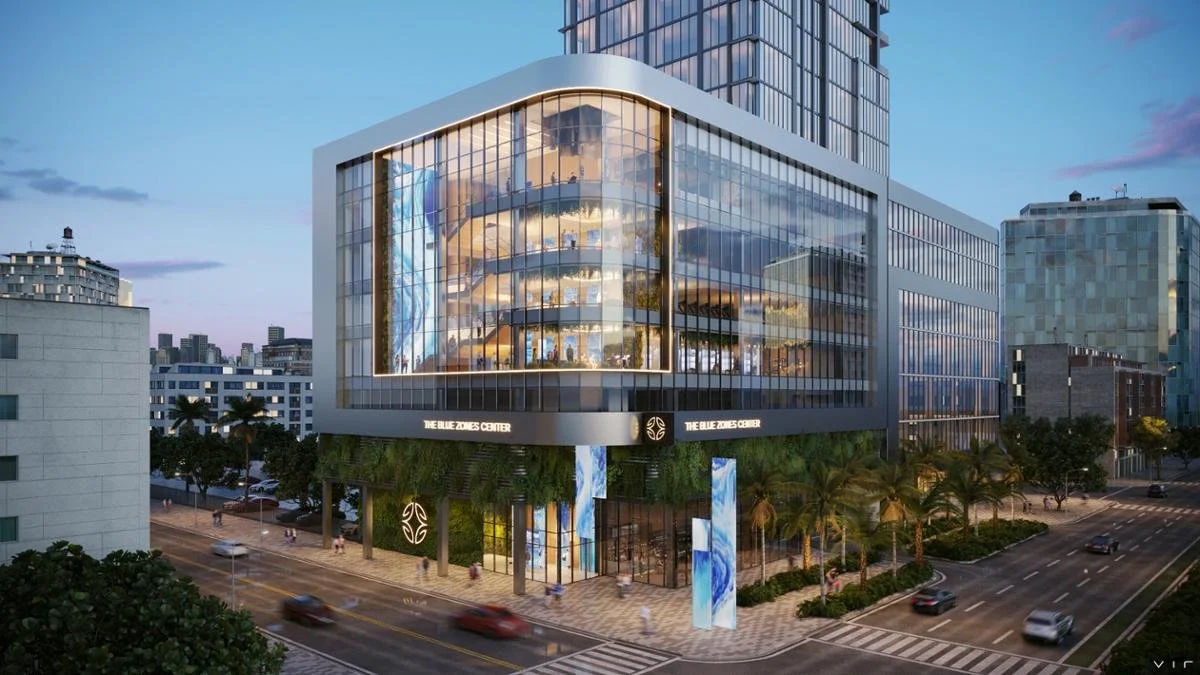
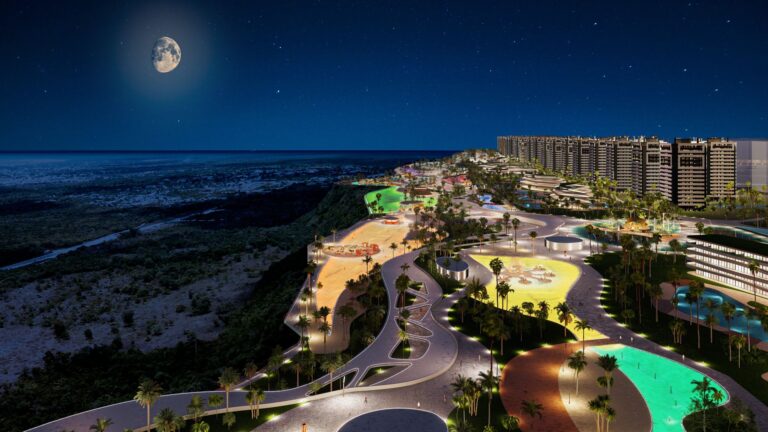
Wellness-based developments are a growing segment of lifestyle real estate. These projects integrate features like natural airflow designs, yoga spaces, fitness centers, and meditation gardens into their communities.
The relevance here lies in the growing demand for housing that supports physical and mental health. For families and health-conscious buyers, such projects provide more than just living space; they offer a better way of life.
4. Community-Focused Suburban Developments
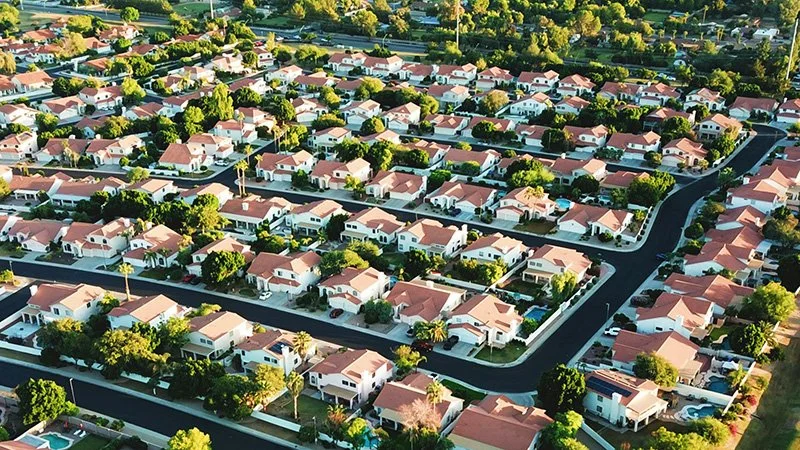
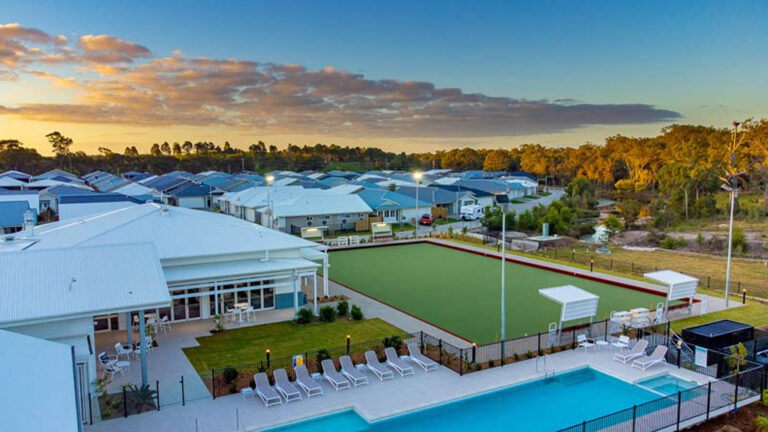
Some lifestyle real estate projects focus on creating suburban developments where community interaction is central. These include shared spaces such as co-working hubs, cafés, and recreational areas that encourage collaboration and neighborhood bonding.
This model appeals to families, remote workers, and retirees who value not only private living but also social engagement and support systems within their communities.
5. Luxury Lifestyle Villas
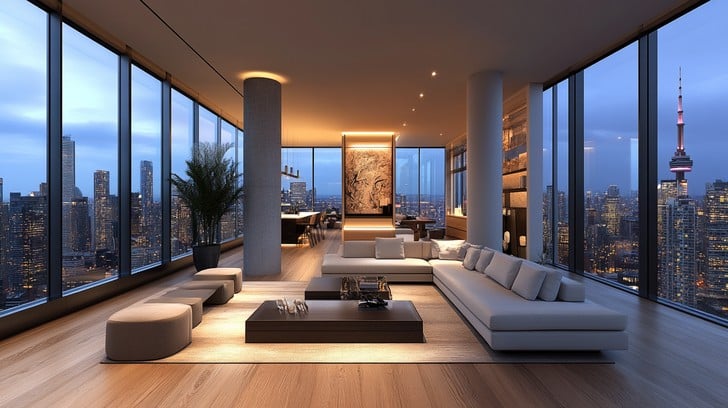
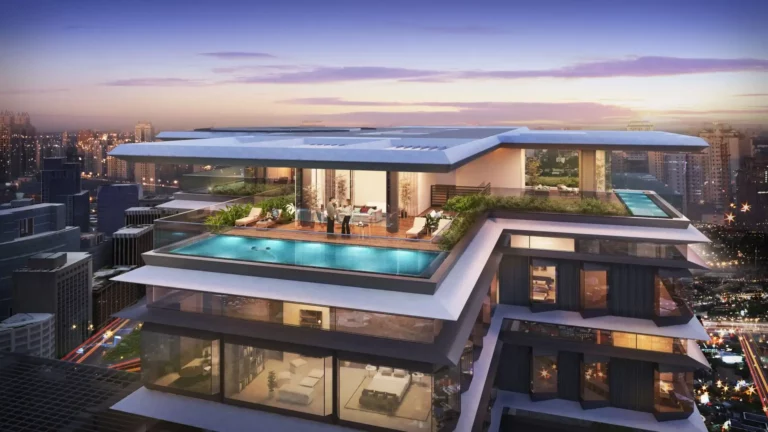
For high-end buyers, lifestyle real estate extends to luxury villas designed with premium features such as infinity pools, advanced home automation, and sustainable luxury materials.
These properties highlight how lifestyle real estate can cater to the top tier of the market, merging exclusivity with modern lifestyle expectations.
Benefits of Lifestyle Real Estate
Luxury Lifestyle Property offers numerous advantages for homeowners and investors alike:
-
Enhanced quality of life: Homes are designed with comfort, wellness, and modern convenience in mind.
-
Eco-friendly and cost-efficient: Sustainable features reduce long-term living expenses while benefiting the environment.
-
Technology-driven living: Smart home integrations make daily tasks simpler and more efficient.
-
Stronger communities: Planned developments encourage interaction and foster a sense of belonging.
-
Solid investment potential: Demand for lifestyle-oriented housing continues to grow, ensuring long-term property value.
Use Cases: Who Benefits from Luxury Lifestyle Property?
Young Professionals
Smart apartments in urban areas provide convenience, connectivity, and flexibility for professionals balancing busy work lives.
Families
Eco-friendly suburban homes offer safe, spacious, and wellness-driven environments perfect for raising children.
Retirees
Community-driven lifestyle housing ensures retirees remain socially engaged while enjoying downsized, low-maintenance homes.
Investors
Strong demand for sustainable and lifestyle-oriented properties ensures stable rental markets and long-term returns.
Frequently Asked Questions (FAQ)
1. What makes Luxury Lifestyle Property different from traditional housing?
Luxury Lifestyle Property goes beyond just property ownership. It focuses on comfort, wellness, sustainability, and community living features that are ot always emphasized in traditional housing.
2. Is Luxury Lifestyle Property only for luxury buyers?
No. While there are luxury projects, Luxury Lifestyle Property also includes affordable and mid-range developments tailored to diverse buyers, from young professionals to retirees.
3. Why is Luxury Lifestyle Property a good investment in 2025?
The increasing demand for sustainable, wellness-oriented, and community-driven housing ensures Luxury Lifestyle Property holds strong long-term value for both living and investment.