Local Real Estate Investors: Driving Growth and Opportunities in Property Markets
In today’s competitive housing market, the role of local real estate investors is more important than ever. Unlike large institutional investors or national firms, local investors bring a personal, community-centered approach to property acquisition and management. They not only focus on profits but also contribute to neighborhood revitalization, affordable housing initiatives, and community development.
Understanding the function of local real estate investors helps homeowners, buyers, and communities see the unique advantages they offer. From creating rental opportunities to improving neglected properties, these investors play a critical role in balancing market growth with local needs.
What Defines a Local Real Estate Investor?
A local real estate investor is typically an individual or small firm that buys, manages, and sells properties within a specific geographic area. Unlike institutional investors who may own thousands of homes across multiple states, local investors focus on their own cities, neighborhoods, or regions.
They often have a deeper understanding of the local market, property values, and tenant demands. This allows them to move quickly on opportunities, negotiate effectively, and make investments that align with community priorities.
Why Local Investors Matter in Real Estate Markets
Local investors fill a vital gap in real estate ecosystems. They often purchase distressed or undervalued properties, renovate them, and return them to the market as livable homes. This process not only generates profits but also improves housing stock and community appeal.
Moreover, local investors are accessible. They interact directly with homeowners, tenants, and neighborhood organizations, fostering trust and transparency. Their proximity enables quicker decisions and more personalized property management.
Real-World Examples of Local Real Estate Investors
Neighborhood Redevelopers
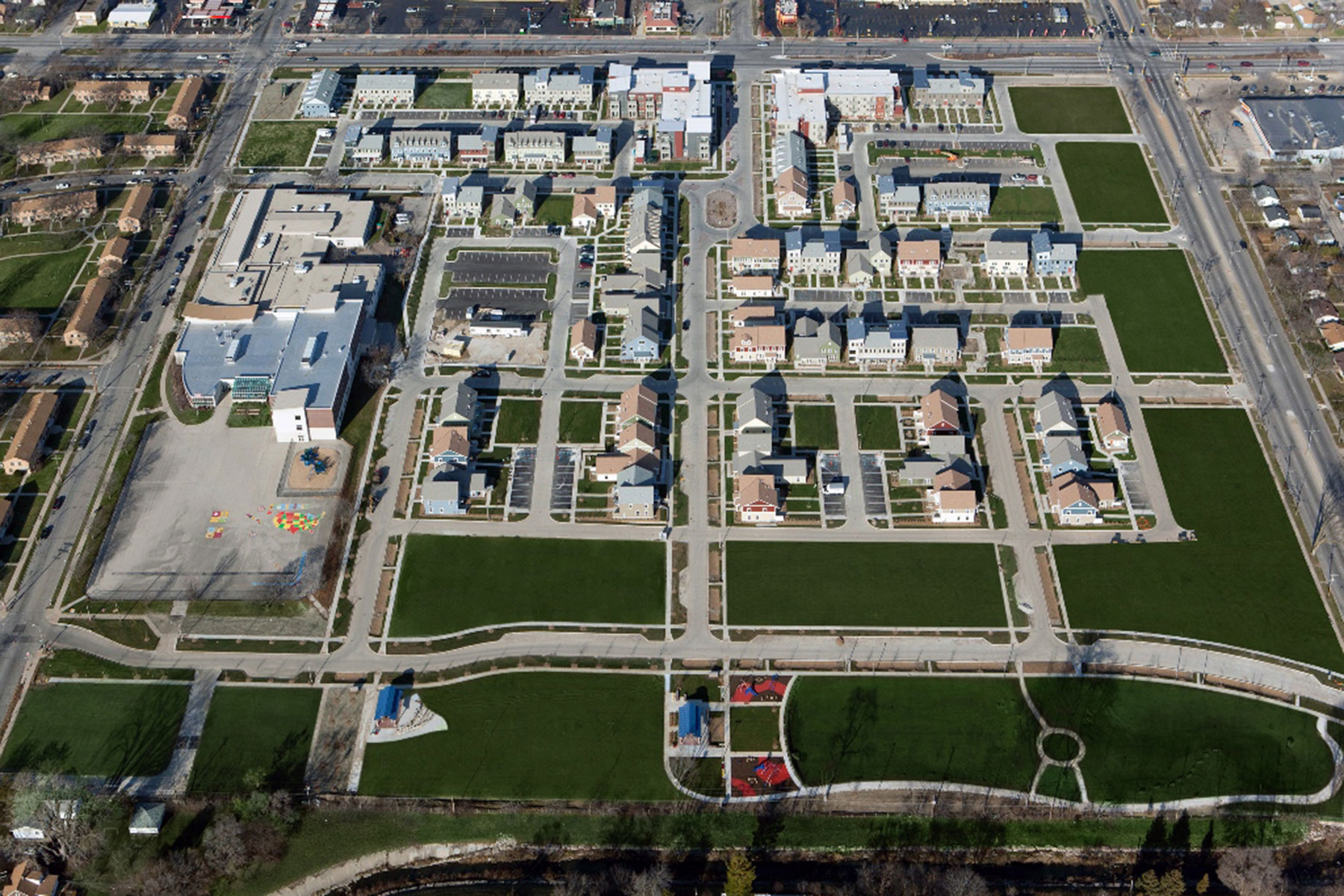
Some local investors specialize in redeveloping older neighborhoods. They purchase neglected homes, upgrade them, and either sell or rent them to families. This revitalization process enhances property values for the entire community.
For instance, a local investor in Cleveland transformed a row of abandoned houses into affordable rental units. This not only improved the neighborhood’s image but also provided housing for residents who might otherwise struggle to find options.
Small Rental Property Owners

Another type of local investor focuses on acquiring duplexes, triplexes, or small apartment complexes. These investors provide essential rental housing in suburban and urban areas.
Because they live nearby, they can personally handle tenant needs, conduct property inspections, and ensure maintenance standards are met. This creates a better experience for renters and helps maintain property conditions long-term.
Community-Oriented Investors

Some investors explicitly align their strategies with community goals. They may collaborate with local governments or nonprofits to provide affordable housing or create mixed-use developments that benefit both businesses and residents.
For example, in Atlanta, local investors partnered with a nonprofit to renovate housing for low-income families. Their collaboration supported social impact while still delivering sustainable returns.
House Flippers with Local Focus

House flippers represent another category of local real estate investors. They buy undervalued properties, renovate them, and quickly sell at a profit. Unlike national firms, local flippers understand the nuances of buyer preferences in their communities.
By upgrading older homes and improving curb appeal, they attract new families and raise neighborhood standards. This boosts demand while addressing housing quality issues in aging markets.
The Role of Technology in Local Real Estate Investing
Technology has dramatically transformed the way local real estate investors operate. Tools like property listing platforms, digital mapping, and market analytics allow them to identify profitable opportunities with greater precision.
Mobile apps streamline communication with tenants and contractors, while online platforms enable secure digital transactions. Even small investors can now access resources that once required corporate-level infrastructure, leveling the playing field against large-scale competitors.
Artificial intelligence and predictive analytics further empower local investors. By analyzing historical price trends and neighborhood data, investors can forecast appreciation rates and make informed decisions that maximize returns.
Benefits of Working with Local Real Estate Investors
One of the main advantages is accessibility. Local investors are easier to reach than corporate firms. Homeowners can negotiate directly, often resulting in faster and more flexible transactions.
For communities, local investors provide stability. They are more likely to hold properties long-term or reinvest profits into the same area, ensuring sustainable growth. Their hands-on management style also improves tenant experiences and encourages neighborhood pride.
Another benefit is adaptability. Local investors can tailor their strategies to meet specific market demands. Whether addressing housing shortages or developing rental properties, they are nimble enough to respond to changing conditions quickly.
Use Cases of Local Real Estate Investors
Revitalizing Distressed Neighborhoods
When neighborhoods struggle with abandoned properties, local investors often step in. They buy, renovate, and repurpose homes, reducing blight and enhancing property values across the area.
Expanding Affordable Housing Options
Local investors frequently work on affordable rental properties. By maintaining moderate pricing and offering flexible lease agreements, they create opportunities for residents who cannot afford traditional homeownership.
Supporting Local Economies
Through renovation projects and property management, investors hire local contractors, real estate agents, and maintenance professionals. This reinvests money directly into the community, fueling economic growth.
Challenges Faced by Local Real Estate Investors
Despite their benefits, local investors encounter challenges. Access to capital is often limited compared to large firms. They may also face competition from institutional buyers, making it harder to acquire properties at fair prices.
Additionally, balancing profitability with community needs can be difficult. While local investors often prioritize community goals, rising costs or economic downturns can challenge their ability to maintain affordable housing.
Frequently Asked Questions
1. What makes local real estate investors different from national firms?
Local investors operate in smaller geographic areas, allowing them to build strong community relationships and understand neighborhood dynamics. Unlike national firms, they prioritize personalized approaches and localized decision-making.
2. Do local investors help improve communities?
Yes. By purchasing, renovating, and managing homes, local investors revitalize neighborhoods, support affordable housing initiatives, and boost local economies through job creation and reinvestment.
3. How does technology support local real estate investors?
Technology enables investors to analyze markets, manage properties, and connect with tenants more efficiently. Tools such as AI, predictive analytics, and digital platforms allow even small investors to scale their operations effectively.