Sale Residential Property: Complete Guide to Selling Homes Successfully
The process of selling residential property is one of the most important transactions many people will make in their lifetime. Whether you are a homeowner looking to sell your property, an investor seeking returns, or a buyer entering the market, understanding the full scope of residential property sales is critical.
From setting the right price to leveraging technology and understanding market demand, successful sales require strategy, preparation, and insight. In this comprehensive guide, we’ll explore what goes into the sale of residential property, the benefits of modern approaches, real-world examples, and use cases that illustrate its significance in real life.
What Does Selling Residential Property Mean?
A residential property sale refers to the transaction where ownership of a house, apartment, or residential land is transferred from the seller to the buyer in exchange for payment. Unlike commercial transactions, residential sales focus more on lifestyle, family needs, and personal financial goals.
The process typically involves several steps: valuation, preparing the property for sale, marketing, negotiating, and closing the deal. Each stage is essential, as skipping or mishandling one can lead to financial loss or prolonged market exposure.
Key Elements of a Residential Property Sale

Valuation and Pricing Strategy
One of the first steps in the sale of residential property is determining its fair market value. Professional valuation ensures the property is neither overpriced nor undervalued. An accurate price attracts buyers faster and increases the likelihood of closing a deal.
Pricing also depends on external factors such as location demand, economic conditions, and property features. Sellers who understand these elements are better positioned to market effectively.
Marketing and Promotion
Effective marketing is vital in residential property sales. Beyond traditional listings, digital marketing channels like property websites, social media, and video tours play a key role in attracting potential buyers. A property with professional photos, floor plans, and 3D tours often gains more visibility.
Strong promotion ensures the property reaches the right target audience, reducing the time it sits unsold on the market.
The Role of Real Estate Agents in Property Sales

Residential property sales often involve real estate agents who act as intermediaries between buyers and sellers. Their expertise in pricing, negotiations, and marketing simplifies the process.
Agents also bring credibility and trust to the sale. They provide insights into local market conditions, legal compliance, and buyer behavior, which many homeowners lack. By leveraging their networks, they can connect sellers with serious buyers more efficiently.
Benefits of Using Technology in Residential Property Sales
Technology has transformed the landscape of property sales, making processes faster, more transparent, and convenient.
Online platforms allow sellers to list properties instantly, reaching a wide audience without geographical limits. Virtual tours, drone photography, and 3D modeling enhance buyer experience, allowing them to visualize the property before physical visits.
Big data analytics and AI-driven pricing tools also empower sellers with insights into demand trends and comparable sales. This ensures more accurate valuations and strategic listing decisions.
Mobile applications further streamline communication between sellers, buyers, and agents. Contracts and paperwork can now be handled digitally, reducing delays and increasing efficiency.
Real-World Examples of Residential Property Sale Tools and Services
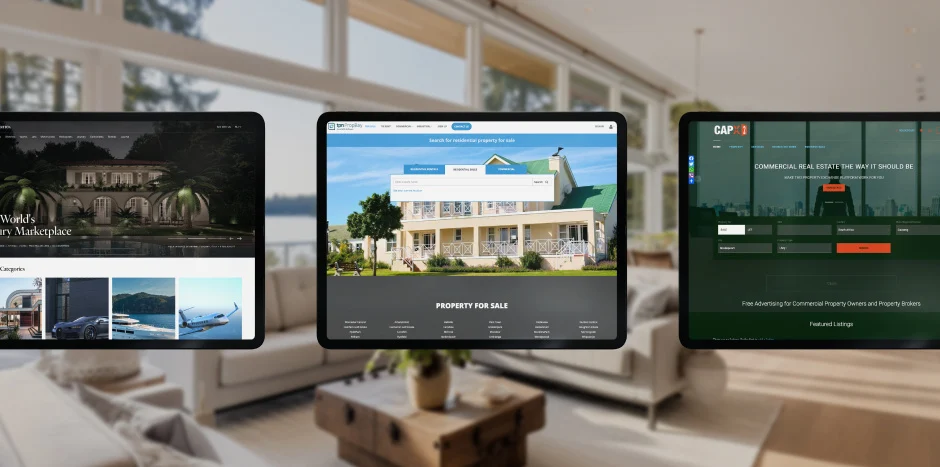
Example 1: Zillow Real Estate Platform
Zillow provides one of the largest online platforms for residential property sales. Sellers can list their properties with photos, descriptions, and automated valuations (Zestimate). This empowers homeowners to understand market expectations before engaging agents.
The relevance lies in accessibility. Zillow bridges the gap between homeowners and potential buyers, making the property sale process more transparent and data-driven.
Example 2: Redfin Listing and Agent Services
Redfin offers both online property listings and real estate agent services. Their platform integrates technology-driven pricing analysis with professional support, allowing sellers to optimize pricing while benefiting from agent expertise.
The significance of Redfin is its hybrid approach, combining technology with human guidance, ensuring sellers have both convenience and professional insight.
Example 3: Matterport Virtual Tours
Matterport specializes in 3D property visualization technology. Homes listed with Matterport tours give buyers the ability to virtually walk through the property.
This tool is particularly useful for attracting buyers from different locations or countries. It increases engagement and reduces unnecessary physical viewings, making the sales process more efficient.
Example 4: Realtor.com Platform
Realtor.com provides comprehensive listings supported by MLS (Multiple Listing Service) data. It is widely trusted by buyers and sellers for accuracy.
The relevance lies in its credibility. Buyers searching for reliable property information often rely on Realtor.com, giving sellers more exposure and confidence that their listing is reaching serious prospects.
Example 5: Opendoor Instant Offers
Opendoor is a modern real estate service offering instant offers for residential property sales. Sellers receive quick valuations and purchase offers, eliminating the traditional waiting period.
The advantage here is speed. For homeowners who need to sell urgently due to relocation, financial needs, or personal reasons, OSOpendoor provides an innovative solution.
Practical Benefits of Residential Property Sales

The sale of residential property offers multiple benefits when executed properly:
-
Financial Gain: Provides sellers with liquidity and profit, often for reinvestment.
-
Flexibility: Allows homeowners to relocate, upgrade, or downsize based on life changes.
-
Debt Relief: Sales can help pay off mortgages or financial obligations.
-
Investment Return: For investors, residential sales are a key point to realize capital gains.
When paired with professional valuation and strategic marketing, sales can maximize returns while minimizing risks.
Use Cases of Selling Residential Property
Relocation Needs
Many homeowners sell residential property when moving for work, education, or lifestyle changes. Selling enables them to quickly liquidate assets and invest in a new location.
Financial Emergencies
In urgent situations, selling a home provides immediate access to funds. This can be crucial for covering medical expenses, debt repayments, or other financial crises.
Investment Strategy
Property investors often sell residential units to balance portfolios, reinvest in higher-yield assets, or take advantage of peak market conditions.
Inheritance Settlements
Inherited homes are frequently sold to distribute value among heirs fairly. A residential sale ensures liquidity rather than tying family members to shared ownership.
Future Trends in Residential Property Sales
The future of residential property sales is tied to technological innovation and evolving consumer preferences. Virtual reality tours, blockchain-based smart contracts, and AI-driven market forecasts will continue to shape the industry.
Sustainability will also influence sales, as eco-friendly homes with energy-efficient features become more desirable. Global trends like remote working and smart homes will redefine what buyers seek, impacting how properties are marketed and sold.
Frequently Asked Questions
1. How long does it take to sell a residential property?
The timeline varies depending on market conditions, pricing, and location. On average, it can take anywhere from a few weeks to several months. Proper marketing and accurate pricing reduce delays.
2. Do I need an agent to sell residential property?
While it’s possible to sell independently, agents provide expertise, negotiation skills, and market reach that most homeowners lack. Their support often results in faster sales at better prices.
3. What factors influence the sale price of residential property?
Key factors include location, property condition, market demand, and economic conditions. Upgrades, staging, and professional marketing can also positively affect the sale price.