Selling Residential Property: Complete Guide to Maximize Value and Speed
Selling residential property is more than just putting a home on the market. It requires a strategic approach, an understanding of market trends, and the ability to present the property in a way that appeals to buyers. This guide explores every essential detail about selling residential property, including strategies, technologies, benefits, and real-world examples.
Understanding the Basics of Selling Residential Property
Selling residential property involves preparing, pricing, marketing, and negotiating until a successful deal is closed. Unlike commercial real estate, residential property sales focus on lifestyle appeal, emotional connections, and long-term livability for buyers.
Buyers often make decisions based on emotional factors such as neighborhood lifestyle, interior design, and family needs. Therefore, sellers must emphasize both the tangible and intangible benefits of the property.
Market Trends Shaping Residential Property Sales
The residential real estate market is heavily influenced by economic conditions, mortgage rates, and buyer demographics. In recent years, trends such as sustainable living, smart home technology, and flexible work-from-home setups have driven buyer preferences.
Understanding these shifts helps sellers position their property to attract modern buyers who value both convenience and long-term investment potential.
Key Factors That Influence Property Value
Pricing is one of the most critical steps in selling residential property. Factors such as location, size, amenities, and the current housing demand all influence the selling price.
Additionally, home improvements and renovations can significantly increase property value. Modern kitchens, energy-efficient systems, and well-maintained exteriors are highly attractive to buyers looking for ready-to-move-in homes.
The Role of Technology in Selling Residential Property

Technology has transformed how properties are marketed and sold. Online listings, virtual tours, and AI-driven pricing tools make the process faster, more transparent, and more accessible to global buyers.
Digital platforms also allow sellers to reach wider audiences, analyze buyer behavior, and adjust marketing strategies in real time.
Real-World Examples of Effective Residential Property Sales
Virtual Tour Integration for Suburban Homes
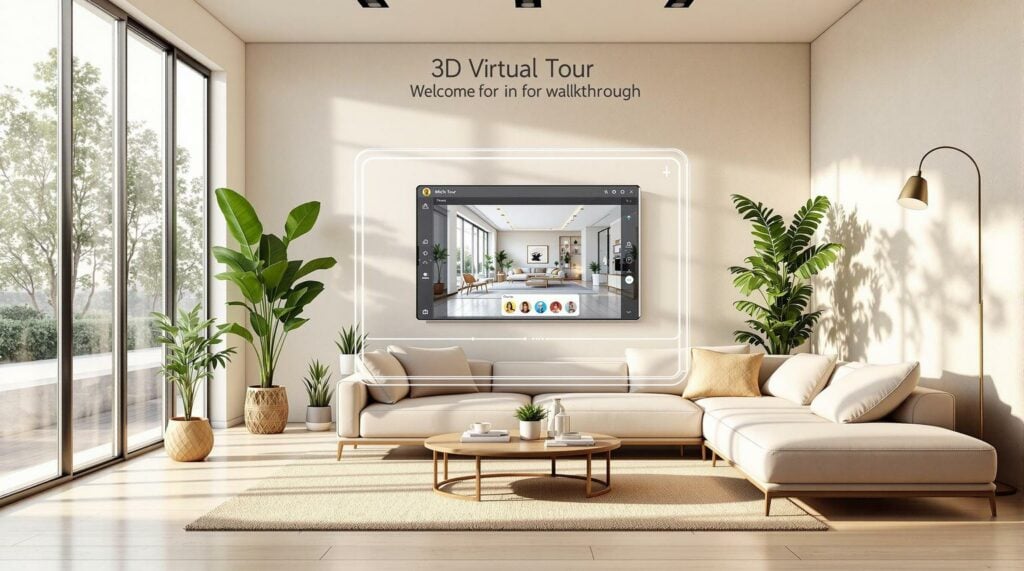
A mid-sized property in a suburban neighborhood was struggling to gain attention in a competitive market. By adding a professional 3D virtual tour, the property attracted twice as many potential buyers compared to traditional photo listings. The immersive experience allowed remote buyers to feel connected, resulting in a quick sale above the asking price.
Smart Home Features Driving Buyer Interest

A two-bedroom apartment equipped with smart lighting, automated security, and energy-efficient systems generated significant buyer interest. These features aligned with sustainability trends and modern living expectations. Within weeks, multiple offers were made, showcasing how technology increases perceived value.
Lifestyle-Focused Marketing in Coastal Areas

A coastal property was marketed not just as a house but as a lifestyle choice, highlighting beach access, community activities, and outdoor living. This emotional connection resulted in higher buyer engagement and a quick sale to a family seeking long-term residence.
Benefits of Using Technology in Selling Residential Property
Using technology brings several advantages:
-
Faster Sales: Virtual tours and high-quality visuals capture buyer interest quickly.
-
Wider Reach: Online platforms extend the audience beyond local buyers.
-
Better Insights: AI tools analyze buyer behavior, helping sellers adjust strategies.
-
Higher Perceived Value: Smart home features and modern digital presentations make properties more appealing.
These benefits ultimately help sellers achieve better offers in less time.
Practical Use Cases for Sellers
Selling residential property isn’t only about listing a house; it solves practical problems for both sellers and buyers.
-
For Sellers: Technology minimizes time on the market, reduces holding costs, and improves negotiation power.
-
For Buyers: Accurate virtual experiences and transparent pricing make decision-making easier and less risky.
For instance, a seller moving to another city can close a deal faster through virtual tours, while a buyer overseas can purchase confidently without multiple travel visits.
Strategies for a Successful Sale
To maximize results, sellers should:
-
Conduct a professional property valuation.
-
Enhance curb appeal and interior staging.
-
Leverage digital platforms for marketing.
-
Highlight lifestyle aspects, not just features.
-
Be flexible with negotiations to close deals faster.
These strategies combine emotional appeal with financial logic, creating an irresistible offer for buyers.
Common Challenges in Selling Residential Property
Selling residential property is not without its challenges. Overpricing, poor marketing, or ignoring property condition can delay sales significantly. Additionally, shifting market dynamics such as rising interest rates can reduce buyer demand.
Sellers must remain adaptable, using market insights and technology to overcome these obstacles.
Frequently Asked Questions
1. How long does it typically take to sell residential property?
The timeline varies depending on market conditions, property type, and location. On average, it can take anywhere from a few weeks to several months. Properties with competitive pricing and strong marketing often sell faster.
2. What improvements add the most value before selling?
Kitchens, bathrooms, and energy-efficient upgrades provide the highest return on investment. Simple improvements such as painting and landscaping also increase buyer appeal.
3. Is it necessary to use technology when selling property?
While traditional methods can still work, technology dramatically increases reach and buyer engagement. Virtual tours, AI-driven pricing, and online marketing have become industry standards for successful property sales.